
What to cook every day
Cooking to impress: it's about care, not performance
The dish people remember is rarely the one that tries to impress. It's the one chosen well, made with attention, and served without rushing — here's how I do it.
There's a common misunderstanding: that impressing people in the kitchen means stunning them. A complicated dish, a difficult technique, an unusual ingredient. In my experience it's the opposite. The dishes people remember are the simple ones made with care, not the elaborate ones made under stress.
Someone who eats well notices immediately, and someone who eats normally still feels looked after when they find attention on the plate, not ambition.
Choose something you already know how to make
The first rule is just common sense. If you're cooking for others, it isn't the night to try a recipe for the first time. Pick something you've mastered, or something close to what you already do well, and put your energy into the details.
A familiar dish leaves you clear-headed about plating, timing, service. An unfamiliar one pulls all your attention away and often doesn't come out the way you hoped. Impressing people happens with your head up, not while holding your breath.
Ingredients before technique
A ripe tomato, a good oil, well-made bread, fresh fish, a vegetable in season. These ingredients arrive with half the dish already done. Technique exists to respect them, not to make up for their absence.
If I spend time before I cook, I spend it shopping. At the market, with a fishmonger I trust, at a proper bakery. Groceries chosen well give a dish a head start before the stove is even on.
The care is in the details
What separates an ordinary dish from one people remember isn't the recipe, it's the details. A sauce passed through properly, a raw drizzle of oil chosen for that exact dish, a fresh herb added right at service, a warmed plate before plating, a crust just golden instead of burnt.
These are small things, but they're the signature of someone paying attention. The people at the table pick up on them even without being able to name them — and they're what makes someone say "this is so good."
Presentation matters, but in moderation
A clean plate, arranged but not overworked, communicates care. You don't need to imitate a fine-dining kitchen, you just need to avoid piling everything on without a thought. A spoonful centered, a small touch of color, clean edges before serving — these take thirty seconds and change the whole impression.
Restraint, on the plate as much as at the table, is one of the most elegant forms of care. Fewer things, all of them considered.
Service is part of the dish
A good dinner doesn't end at plating. It continues in how the plate reaches the table: hot if it should be hot, served without rushing, accompanied by a word about the dish — no long explanation, just enough to share the idea. That, too, is care, and it shows.
Impressing people, in the end, is never a performance. It's the result of simple choices made well, one after another. That's exactly where Cookit tries to help: it guides you through deciding what to cook for the occasion, how much care each step deserves, and how to bring it to the table so what shows is thought, not anxiety.
FAQ
How do I impress people cooking without being an expert?
Choose a simple dish you already make well, and put your effort into good ingredients and careful service. A traditional dish done right lands better than an elaborate one that doesn't come together. Impressing people is about consistency, not surprise.
What should I cook to impress without making it complicated?
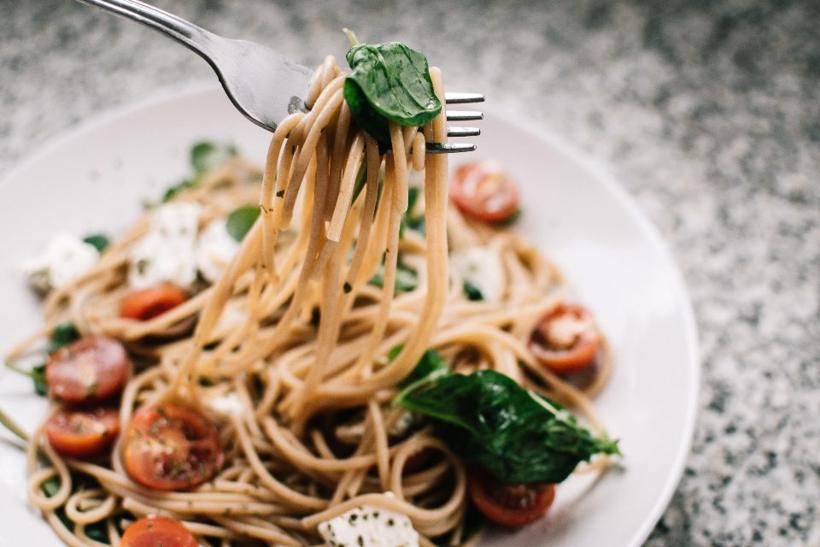
A risotto finished at the last minute, a well-roasted main, pasta done properly with a good sauce, a simple but precise spoon dessert. Dishes that hold up on their own and leave you time to actually be with your guests.
Do ingredients matter more than technique when cooking for others?
Ingredients do half the work, and in a home kitchen often more than half. A ripe tomato, a good oil, well-made bread — they start you halfway there. Technique exists to respect what you've chosen, not to replace it.