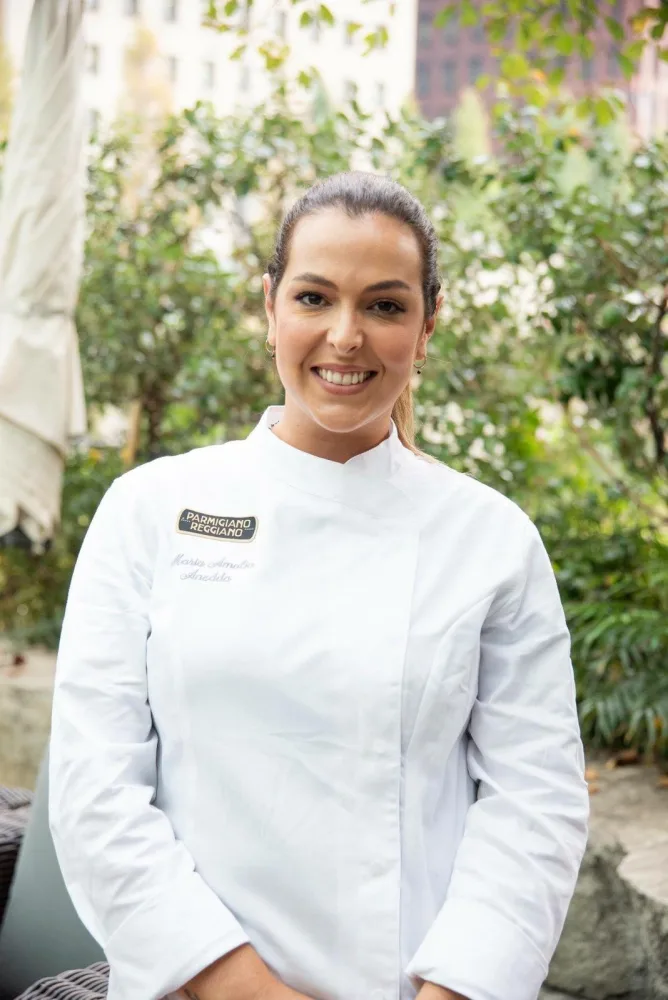
Conviviality is the heart of my work, and a dinner with friends is its most beautiful form. And yet I see so many people arrive at those evenings exhausted, shut in the kitchen while the guests chat in the other room. It's a shame, because the point of inviting someone to dinner is to be together, not to run a restaurant. Here's how to organize yourself so you're there too.
A make-ahead menu
The secret to a relaxed dinner with friends is all in the menu you choose, and it should be chosen with timing in mind. I almost always build the evening around dishes I can prepare beforehand, in whole or in part. An antipasto already done, a first course you assemble at the last minute but with the base ready, a main that cooks by itself in the oven while we're already at the table.
Avoid dishes that have to be finished at the very last second and served piping hot, unless you want to spend the evening at the stove. A good menu for friends is one that leaves the bulk of the work to the afternoon, not to the moment the doorbell rings.
Dishes to share in the middle of the table
I love the dishes you put in the center, the ones everyone helps themselves to. A tray of roasted vegetables, a large composed salad, a baked pasta, a rich board. They create atmosphere right away, they save you the plate-by-plate service, and they put people at ease.
There's something warm about shared food, an old gesture that brings people closer. A dinner where you reach toward the middle of the table is already a success before the first taste.
How not to spend the evening at the stove
Beyond choosing the right dishes, it helps to prepare the ground. Set the table beforehand, keep what you need within reach, leave in the oven or keep warm whatever only needs reheating. So when your friends arrive you're there with them, not with your back to them at the stove.
A good glass in hand and a kitchen already tidy change the whole evening. Remember that your guests came for you, not for one more course. Better a simple menu lived together than an ambitious one lived alone in the kitchen.
Cooking for friends with different needs
It almost always happens that someone at the table doesn't eat something, by choice or by necessity. The elegant solution isn't to cook a different dish for each person, it's to think of a menu that includes naturally. Rich vegetable dishes that work for everyone, a neutral base to dress in different ways, a couple of options without the most common allergens.
Asking beforehand, discreetly, whether there are particular needs is always a good idea. Cookit helps a lot here: you tell Ada how many you are and the group's needs, and it suggests a menu that holds everyone together without multiplying the work.